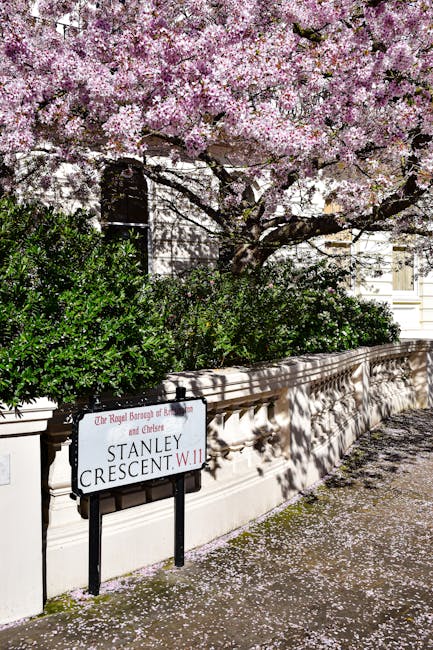
Kensington & Chelsea fines for fly-tipping in W11: what residents and landlords need to know
If you live, manage property, or run a business in W11, fly-tipping is one of those problems that can turn up fast and create a mess even faster. One abandoned mattress, a few bin bags, or a pile of renovation waste on the pavement can lead to complaints, investigations, and potentially serious fines. This guide explains Kensington & Chelsea fines for fly-tipping in W11 in plain English: what the issue means, how penalties are usually handled, what evidence matters, and what practical steps you can take if waste has been left outside your property.
Let's face it, nobody wants to deal with rubbish dumped by someone else. But if you've received a warning, are worried about a penalty, or simply want to avoid getting caught out, understanding the process now can save a lot of stress later. We'll also cover compliance basics, best-practice waste handling, and a few real-world scenarios that crop up all the time in London.
Table of Contents
- Why Kensington & Chelsea fines for fly-tipping in W11 Matters
- How Kensington & Chelsea fines for fly-tipping in W11 Works
- Key Benefits and Practical Advantages
- Who This Is For and When It Makes Sense
- Step-by-Step Guidance
- Expert Tips for Better Results
- Common Mistakes to Avoid
- Tools, Resources and Recommendations
- Law, Compliance, Standards, or Best Practice
- Options, Methods, or Comparison Table
- Case Study or Real-World Example
- Practical Checklist
- Conclusion
- Frequently Asked Questions
Why Kensington & Chelsea fines for fly-tipping in W11 Matters
Fly-tipping is more than an eyesore. In an area like W11, where streets are busy, footfall is constant, and space is limited, dumped waste can affect safety, cleanliness, property reputation, and day-to-day life very quickly. A single pile of waste can block a pavement, attract pests, or make neighbours assume a property manager, tenant, or builder is responsible. That part can be awkward, to be fair, because the real source is not always obvious at first glance.
Kensington & Chelsea fines for fly-tipping in W11 matter because the enforcement response can be based on how waste is managed, not just where it ends up. If rubbish is traced back to a resident, landlord, business, or contractor, the consequence may be a fixed penalty, a formal warning, or further action depending on the circumstances. Even where the waste was dumped by someone else, the way you respond matters. A quick, careful clean-up and proper reporting can reduce the risk of the problem spreading.
There is also a broader local impact. When dumped waste sits outside for too long, it signals that an area is not being looked after. That can encourage more dumping. It is a bit like leaving one bag out after a party: somehow, more appears by morning. Fly-tipping works in a similar, annoying way.
For property owners and landlords, this topic has another layer. Waste left after a tenancy ends, during a refurbishment, or outside shared bins may create disputes about responsibility. In practice, the difference between a low-cost clean-up and a costly headache often comes down to evidence, timing, and whether the waste was handled responsibly in the first place.
How Kensington & Chelsea fines for fly-tipping in W11 Works
While exact enforcement steps can vary, the general process is fairly straightforward. A complaint is made, evidence is reviewed, and the council or enforcement officer considers whether an offence or breach has taken place. In some cases, a vehicle registration, witness statement, CCTV image, or documents left in the waste can help identify where the rubbish came from. In others, the issue may be less clear, which is why keeping records matters.
What usually triggers action? Common examples include:
- bags or loose waste dumped in an alley, forecourt, or pavement area
- furniture, appliances, or household items left outside without proper collection arrangements
- builder's waste placed in the wrong location or outside permitted collection times
- business rubbish that appears to have been disposed of carelessly
- waste found on private land that creates a nuisance or health issue
In a W11 setting, a lot of disputes come down to timing and proof. A contractor may say the waste was collected, while a neighbour says the pile appeared overnight. A landlord may believe a tenant abandoned items, while the tenant says the rubbish belonged to the previous occupier. Truth be told, these situations can get messy quickly.
If you are the person responsible, the main priority is to act early. Remove the waste properly, keep evidence of the clean-up, and avoid adding more material to the pile. If the rubbish is on a shared boundary or near communal bins, speak to the managing agent or freeholder and document the situation. That simple paper trail can help a great deal later.
If you are not responsible but the waste is affecting your property, report it and keep notes: when it appeared, what it looks like, and whether there are labels, parcels, or paperwork that could identify the source. No drama, just facts. That is what helps.
Key Benefits and Practical Advantages
It may sound odd to talk about benefits when the subject is fines and fly-tipping, but there are real advantages to understanding the process properly. The biggest one is control. Once you know what councils typically look for, you can reduce the chance of being caught in avoidable enforcement issues.
There is also a financial angle. Good waste handling is usually much cheaper than dealing with penalties, repeat clearance, or the knock-on effect of a polluted entrance, damaged reputation, or an unhappy tenant. That is especially true for landlords and small businesses, where one incident can snowball into complaints and extra labour.
Another practical benefit is speed. If you already know how to document the issue, you can move faster when something appears outside your property. That matters in busy London streets, where waste can attract further dumping within hours. I have seen situations where a small pile became a mini dumping spot by the next afternoon. Not ideal.
Finally, compliance brings peace of mind. When bins, clear-outs, and waste removal are handled through proper channels, there is less second-guessing. You are not wondering whether a receipt is enough or whether someone will complain later. You have the basics covered.
Who This Is For and When It Makes Sense
This topic is relevant to more people than you might expect. It is not only for someone who has already received a penalty notice. It also matters if you are trying to prevent problems before they start.
- Residents who want to avoid accidental responsibility for dumped waste near their home
- Landlords dealing with end-of-tenancy clear-outs, abandoned items, or shared bin issues
- Letting agents and managing agents who need a fast, practical response when waste appears on communal property
- Local businesses that generate packaging, bulky waste, or waste from refurbishments
- Contractors and tradespeople who need to prove they disposed of waste properly
- Homeowners arranging decluttering, renovations, or a house clearance
It makes sense to read this if you are asking any of these questions: Can I be fined if someone dumped waste near my property? What evidence should I keep? What should I do if I find bags outside my front door? Or, perhaps the most common one: how do I stop this happening again?
For busy households, the issue often appears after a one-off clear-out. For businesses, it tends to show up around delivery waste, stock packaging, or a quick refurbishment. And for landlords, it often happens at the least convenient moment, usually when keys are being handed over and everything already feels rushed.
Step-by-Step Guidance
If you are dealing with suspected fly-tipping in W11, a calm, methodical response is usually the best approach. Here is a practical sequence that works in most everyday situations.
- Look first, don't move anything immediately. Check what the waste is, whether there are labels or paperwork, and whether it looks hazardous or broken.
- Take clear photos. Photograph the whole pile, the surrounding area, and any identifying details such as addresses, labels, or vehicle marks. A wider shot and a close-up can both be useful.
- Note the time and date. Write down when you saw it. Even a simple note in your phone helps. If you notice changes later, keep updating it.
- Check whether it is on your land or public land. This helps determine who is likely to deal with removal and who may be responsible for follow-up action.
- Report the issue if needed. If the waste is on a pavement, road, or communal area, make sure it is raised through the correct local channel or with the property manager.
- Arrange lawful removal. If it is your responsibility, use a proper waste-clearance route. Do not push it into the road, leave it by bins, or hope it disappears overnight.
- Keep proof. Keep receipts, photographs, and messages relating to the clear-up. If there is any later question about what happened, that record can be extremely helpful.
- Review what caused it. Was a contractor careless? Were bins overloaded? Did a tenancy end with items left behind? Fix the cause, not just the mess.
That last point is the one many people skip. It is tempting to just clear the pile and move on. But if the same thing happens again in two weeks, you have not really solved anything, have you?
Expert Tips for Better Results
From a practical standpoint, the best way to reduce fly-tipping risk is to make waste disposal boring. Boring is good here. Predictable collections, clear labels, and a clean disposal trail are what you want.
Keep waste separate by type. Mixed rubbish is harder to track and can create disposal complications. If you are clearing a flat, office, or building site, separate general waste, bulky items, and recyclable material where possible.
Use written instructions for contractors. If you hire cleaners, removal teams, or tradespeople, make sure everyone knows exactly who is removing waste and where it goes. Verbal instructions are easy to forget when the van is full and everyone is trying to finish quickly.
Don't leave items "temporarily" outside. Temporary often becomes permanent. That one chair, that broken desk, that old carpet roll. It sits there overnight, then one more item appears beside it. It happens all the time.
Choose a clearance approach that matches the job. A small household declutter, a post-renovation clean-up, and an office clearance are not the same thing. Match the method to the scale. If the property needs a broader tidy after waste removal, a deep cleaning service can be the sensible next step, especially where dust and debris have spread beyond the original pile.
Keep communal areas tidy. In shared buildings, bins and access points matter. If the entrance is cluttered, people are more likely to dump additional rubbish there. A clean route is less inviting for the wrong kind of drop-off.
Document handovers. For landlords and agents, a photo at check-in and check-out can make a huge difference. It is not glamorous, but it saves arguments later. Honestly, it is one of the simplest habits with the biggest payoff.
Common Mistakes to Avoid
Most problems around fly-tipping fines do not start with a giant illegal dump. They begin with small, avoidable mistakes. Here are the ones that cause trouble most often.
- Assuming waste is "someone else's problem" without checking. If rubbish is left near your property, do not ignore it for days. Find out who is responsible and act.
- Leaving contractor waste outside the wrong address. This happens when a job is rushed or instructions are vague. It can lead to complaints very quickly.
- Using poor-quality disposal arrangements. If someone offers a cheap removal option but cannot explain where the waste goes, that is a red flag.
- Throwing bags beside full bins. That is one of the easiest ways to create a visible issue that looks like fly-tipping, even if that was not the intention.
- Not keeping evidence. If you clean up but never take photos or save receipts, you may struggle to show what you did.
- Ignoring repeat patterns. If waste keeps appearing in the same spot, there is usually a reason: poor access, weak bin storage, or a habitual dumping point.
A small mistake can become an expensive one. The strange thing is that most people know this already, but only after the fact. That is just human nature, I suppose.
Tools, Resources and Recommendations
You do not need a complicated toolkit to manage fly-tipping problems well. What you need is a few simple habits and a sensible file of records.
- Phone camera for time-stamped photos of the waste and its surroundings
- Notes app or written log for dates, times, witness details, and follow-up actions
- Receipts and invoices for lawful waste removal and clean-up work
- Property handover photos for landlords and agents
- Clear bin labels and waste instructions for tenants, staff, or contractors
If the incident has left a flat, house, or workplace in a poor state, additional cleaning may be needed after the waste is removed. For example, a cluttered office entrance or shared hallway often benefits from a scheduled office cleaning or house cleaning visit once the rubbish is gone. If it is a one-off incident rather than an ongoing issue, a one-off cleaning service can be the more practical option.
Some readers also need specific follow-up services after waste removal. For instance, post-build debris may require after builders cleaning, while a heavily used entrance or communal hard surface may benefit from hard floor cleaning. If the waste incident has left fabrics, rugs, or upholstery dusty or stained, then rug cleaning, sofa cleaning, or upholstery cleaning may be worth considering too.
One practical recommendation: if a clutter problem started because items were simply too large for normal bins, arrange removal earlier rather than later. A small delay can become a full-blown issue by the weekend. London streets have a way of filling up fast.
Law, Compliance, Standards, or Best Practice
Fly-tipping is a compliance issue as much as it is a cleanliness issue. The exact enforcement route depends on the facts, but the general principle is straightforward: waste must be managed responsibly, kept secure, and disposed of through lawful channels. If you are a resident, landlord, or business owner, that means making sure rubbish does not end up on the street, in shared spaces, or in an unauthorised location.
In practical terms, best practice usually includes the following:
- using approved waste removal arrangements
- keeping records of collection or disposal
- ensuring contractors understand their waste responsibilities
- preventing waste from being left in accessible public or communal areas
- responding quickly if dumped waste appears near your property
For businesses, it is worth taking waste control seriously rather than treating it as an afterthought. For landlords and managing agents, shared spaces are especially sensitive because one badly handled pile can trigger a chain reaction of complaints. And for households, even a simple clear-out deserves proper disposal planning. That sounds obvious, but in real life it gets overlooked all the time.
If you are unsure whether a situation has become a formal enforcement matter, the safest route is to keep your records clean, your communication polite, and your evidence organised. That alone will put you in a far better position than guessing or hoping for the best.
Options, Methods, or Comparison Table
There is more than one way to deal with waste, but not every method is a good fit for every situation. Here is a simple comparison that may help you decide what makes sense.
| Approach | Best for | Strengths | Limitations |
|---|---|---|---|
| Self-managed disposal | Small, lawful domestic clear-outs | Low cost, quick if you already have transport | Can be time-consuming and easy to get wrong if the load is awkward |
| Scheduled waste collection | Routine bins, predictable volumes | Simple, repeatable, easier to document | Not suitable for bulky or sudden overflow issues |
| Professional clearance | Bulky waste, end-of-tenancy, post-renovation jobs | Faster, more organised, better for larger or mixed loads | Costs more than doing it yourself |
| Combined clearance and clean-up | Incidents where rubbish has spread dirt or debris | More complete result, less hassle, better final presentation | Needs clear coordination so nothing is missed |
For many W11 homes and businesses, the combined route is the easiest in practice. Waste disappears, the area is reset, and there is less chance of returning to a half-cleaned, half-broken scene the next day. If the space needs a broader reset after rubbish removal, a professional cleaning company can help bring order back without the back-and-forth.
Case Study or Real-World Example
Picture a typical W11 street after a tenancy ends. The tenants have moved out, the keys are with the agent, and a few items were left behind because the mover ran late. By lunchtime, there is a broken chair, two black sacks, and a small pile of packaging beside the front railings. Nothing dramatic, but it looks bad. By evening, another bag appears. Then a passer-by leaves a box nearby because, well, it already looks like a dumping point.
Now the building has a bigger issue than a few leftovers. The agent needs to document the scene, work out whether the waste belongs to the departing occupants, arrange lawful removal, and clean the area so it does not invite more dumping. If they delay, the problem becomes harder to explain and harder to contain.
In a case like this, a sensible response would be:
- take clear photographs immediately
- check tenancy records and handover notes
- remove the waste through a proper channel
- clean the area once the rubbish is gone
- record the action taken in writing
That kind of response does two things. It solves the physical problem and it creates a paper trail. Both matter. Not exciting, I know, but it is exactly what keeps a small incident from turning into a bigger dispute.
Practical Checklist
Use this quick checklist if you are dealing with dumped waste or trying to avoid trouble in the first place.
- Photograph the waste from more than one angle
- Note the time, date, and exact location
- Check for any identifying labels, paperwork, or vehicle details
- Confirm whether the waste is on private, shared, or public land
- Report the issue if it is not clearly your responsibility
- Arrange lawful removal if it is your waste or your land
- Keep receipts and any messages about the removal
- Clean surrounding surfaces if dirt has spread
- Review why the waste was left there
- Improve storage, access, or contractor instructions to stop repeat incidents
If you work through that list calmly, you are already doing better than many people do in a rush. Simple, but effective.
Get a free quote today and see how much you can save.
Conclusion
Kensington & Chelsea fines for fly-tipping in W11 are really about responsibility, records, and response. If waste is dumped near your property, the smartest move is to document it, deal with it properly, and keep evidence of what you did. If you are trying to prevent a problem, the key is the same: manage waste clearly, do not leave items out casually, and make sure everyone involved understands the process.
Whether you are a tenant, landlord, homeowner, or business owner, the goal is not just to avoid a fine. It is to keep the space safe, presentable, and easy to manage when the next busy day arrives. That bit matters more than people think. One tidy, well-handled clear-up can save a lot of awkwardness later.
If the incident has left your property needing a reset, a careful clean-up can make the whole place feel calmer again, almost like the air has been let back in. And honestly, that is a good feeling.
Frequently Asked Questions
What counts as fly-tipping in W11?
Fly-tipping usually means leaving waste in a place where it should not be, such as a pavement, alley, verge, communal entrance, or private land without permission. It can include bags, furniture, builders' waste, appliances, or mixed rubbish.
Can I be fined if rubbish is dumped outside my property?
It depends on the circumstances and the evidence available. If the waste can be linked to you, your tenant, your business, or your contractor, there may be enforcement consequences. If it was dumped by someone else, keeping clear records and reporting it promptly is still important.
What should I do first if I find dumped waste?
Take photos, note the date and time, and look for any identifying details. Do not move anything unsafe or hazardous. Then decide whether it is your responsibility to report or arrange removal.
Will photos help if there is a dispute about responsibility?
Yes, usually a lot. A clear set of photos can show the size of the pile, its location, and any labels or packaging that might point to the source. A photo taken as soon as possible is better than one taken after the waste has been moved around.
What is the safest way to remove bulky waste in a residential area?
The safest route is proper lawful disposal through an appropriate clearance arrangement. Bulky items should not be left by bins or dragged into a communal area. If the space also needs tidying afterwards, a broader service such as domestic cleaning can help return it to normal.
Do landlords need to keep records of waste clearance?
Absolutely. Landlords and agents are far better protected when they keep receipts, photos, and handover notes. It is one of those small admin habits that pays off later, even if it feels dull at the time.
How do I stop repeat dumping near my bins?
Improve access control, keep the area tidy, make sure bins are used correctly, and remove waste quickly before it becomes an attractive spot for more dumping. Repeat incidents often happen where a space already looks neglected.
Is builders' waste treated differently from household rubbish?
In practical terms, builders' waste often needs more careful planning because it can be heavy, mixed, or awkward to store. Leaving it outside without a proper collection plan can create complaints or enforcement issues.
What if the waste has made the property dirty as well?
Then you may need both removal and cleaning. After waste clearance, surfaces, floors, and nearby fabrics often need attention too. In those cases, a service like one-off cleaning or after builders cleaning can be a sensible follow-up.
Can businesses get into trouble for poor waste control?
Yes, they can. Business waste should be handled carefully and stored securely. If it is left in a way that creates a public nuisance or looks like dumping, it may trigger complaints or enforcement action.
What evidence should I keep after dealing with fly-tipped waste?
Keep photographs, dates, any messages about the incident, and receipts for lawful removal. If there was a cleaner or contractor involved, keep their paperwork too. A simple folder, physical or digital, is enough.
When is it worth asking for professional help?
If the waste is bulky, repeated, unpleasant to handle, or has left the area looking rough, professional help is usually worth it. It can save time and reduce the chance of mistakes, especially when the issue is on a tight schedule.